Michigan lawn fertilization

Why Michigan Lawns Need a Fertilization Schedule

A SE Michigan lawn without a fertilization program is like a garden without compost — it survives but doesn't thrive. The cool-season grasses that dominate Oakland and Livingston County lawns (Kentucky bluegrass, tall fescue, and perennial ryegrass) require nitrogen-rich feeding timed to their growth cycles to stay dense, green, and weed-competitive. Too little nutrition produces thin, pale turf that crabgrass and broadleaf weeds exploit. Too much, applied at the wrong time, can burn grass and push excessive top growth that drains root reserves.

Michigan's climate creates two distinct growing peaks — a strong spring flush (April–June) and a secondary fall flush (September–October) — with a predictable summer slowdown in July and August. An effective fertilization schedule works with these cycles rather than against them.

A 4-Application Michigan Fertilization Schedule

Most SE Michigan lawns benefit from four fertilizer applications per year. Here's the framework professional grounds managers use:

Application 1 — Early Spring (April or when soil temps reach 50°F)

The goal here is not to push a lot of growth but to kick-start recovery from winter dormancy and support root development before the summer heat arrives. Use a balanced or slightly phosphorus-forward fertilizer (10-10-10 or similar) at half to two-thirds of the normal rate. This is also the time to apply pre-emergent crabgrass control — a critical step for SE Michigan lawns where crabgrass pressure is high. Wait until soil temperatures at 2-inch depth are consistently above 50°F (typically mid-April in Wixom and Novi) before applying pre-emergent.

Application 2 — Late Spring (May–early June)

This is your main nitrogen push of the year. Use a slow-release nitrogen fertilizer (look for products with at least 30–50% slow-release or controlled-release nitrogen content). Slow-release nitrogen feeds the lawn gradually over 6–8 weeks rather than all at once, reducing burn risk and providing more even growth. This is when your lawn should achieve its richest green color of the year. Apply broadleaf weed control with this application if weeds are present.

Application 3 — Summer (July–August) — Optional

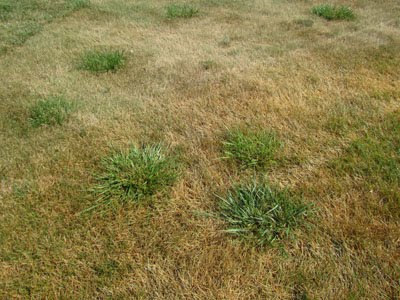
Michigan lawns slow down significantly in summer heat. Many fertilization programs skip a dedicated summer application to avoid pushing growth during stress. If you do apply in summer, use a light rate of slow-release nitrogen only — no phosphorus or fast-release nitrogen that could burn dormant or stressed grass. Apply only to lawns that are being irrigated consistently; do not fertilize a drought-stressed, brown lawn in summer.

Application 4 — Fall (September–October)

This is the most important application of the year for Michigan lawns. Fall nitrogen feeds root development and energy storage that determines how well your lawn recovers from winter and how quickly it greens up the following spring. Use a high-nitrogen, phosphorus-light formula (roughly 4:1:2 or 3:1:2 NPK ratio). Apply in early September when growth resumes after the summer slowdown, and consider a second late-fall application (sometimes called "dormant feeding") in October or early November just before the ground freezes — this last application feeds roots and sets the lawn up for a strong spring green-up.

What Type of Fertilizer for SE Michigan Lawns?

Several factors influence fertilizer selection for Oakland and Livingston County lawns:

Nitrogen source: Slow-release (or controlled-release) nitrogen is strongly preferred over fast-release urea for most applications. Fast-release nitrogen is cheap and immediately available but burns easily in warm weather and leaches quickly through Michigan's clay-sand soil mix. Products with methylene urea, polymer-coated urea (PCU), or sulfur-coated urea release nitrogen more gradually, providing sustained feeding without the surge-and-crash cycle.

Soil pH: SE Michigan soils tend toward the slightly acidic side (pH 6.0–6.5 is common in Oakland County). If your soil pH is below 6.0, adding lime to raise pH before fertilizing improves nutrient availability significantly. A soil test — available through Michigan State University Extension for a modest fee — tells you exactly what your soil needs before you spend money on fertilizer.

Potassium for winter hardiness: Including potassium (the "K" in NPK) in fall applications is particularly important for Michigan lawns. Potassium strengthens cell walls and improves cold hardiness, helping turf survive freeze-thaw cycles better.

What to Do After Fertilizing

A few post-application practices matter for results:

  • Water in granular fertilizers within 24–48 hours if rain isn't forecast — this activates the fertilizer and prevents burn
  • Don't mow for 24–48 hours after application to allow product to settle and move into soil
  • If fertilizing with weed control products, keep children and pets off the lawn until the product has been watered in and the lawn has dried
  • Never apply fertilizer to frozen ground — it will run off rather than absorbing

Michigan Fertilization Laws: What Homeowners Need to Know

Michigan has specific regulations around lawn fertilizer use. The Michigan Fertilizer Law restricts the application of phosphorus-containing fertilizers on established turf unless a soil test indicates deficiency. This law exists to protect Michigan's lakes and waterways from phosphorus runoff that causes algal blooms. Most maintenance fertilizer products sold in Michigan for established lawns are now phosphorus-free (0 in the middle NPK number) to comply.

Fertilizer applications within 15 feet of a surface water body (lake, river, stream, drain) are also restricted. If your property is near one of Oakland or Livingston County's many lakes or waterways, these buffer zone requirements apply to your lawn care program.

Grounds Maintenance Fertilization Programs from Bells Landscape Services

Bells Landscape Services offers custom fertilization programs for residential and commercial properties throughout SE Michigan. Every program is designed around your property's specific needs — soil type, turf species, existing weed pressure, and irrigation availability. We use professional-grade slow-release products and apply them on a schedule timed to Michigan's growing seasons.

Call us at (248) 486-0960 or request a free estimate online to discuss a fertilization program for your property. We serve Wixom, Novi, Commerce Township, South Lyon, Brighton, Milford, Northville, and surrounding SE Michigan communities.

Fertilization & Lawn Care Across SE Michigan

Bell's Landscape Services provides professional lawn fertilization, weed control, and seasonal lawn care programs for residential and commercial properties throughout SE Michigan — including Wixom, Novi, Milford, Northville, Farmington Hills, Plymouth, Commerce Township, South Lyon, and Brighton. Learn more about our grounds maintenance programs or call (248) 486-0960 for a free estimate.
SE Michigan retaining wall

Why SE Michigan Properties Need Retaining Walls

Oakland and Livingston County properties present two distinct situations that drive retaining wall installations: natural grade changes and erosion-prone slopes near the region's many lakes, rivers, and waterways. Wixom, Commerce Township, Milford, Brighton, and South Lyon all have significant topographic variation — sloped backyards, waterfront lots, and hillside driveways that need grade management to prevent soil movement, landscape degradation, and property damage.

Beyond function, retaining walls also serve a design purpose. A well-designed wall transforms a difficult slope into a usable terrace — creating flat garden beds, level lawn areas, or defined outdoor living spaces that wouldn't otherwise be possible. In high-value communities like Northville and Novi, retaining walls with decorative stone or architectural block are common focal points in backyard landscapes.

Retaining Wall Materials: What Works Best in Michigan

Material choice matters significantly in Michigan's climate. Freeze-thaw cycles stress retaining walls aggressively — water infiltrates the soil behind the wall, freezes, and expands, creating hydrostatic pressure that can push walls outward or cause cracking. Proper drainage and frost-resistant materials are non-negotiable for SE Michigan installations.

Segmental Retaining Wall Block (SRW) is the most popular choice for residential retaining walls in SE Michigan. Products like Versa-Lok, Allan Block, and Belgard Belair Retaining Wall offer excellent freeze-thaw resistance, design flexibility, and long service life when installed with proper gravel backfill and drainage aggregate. Heights of 2–4 feet are common; taller walls require engineering review. SRW block can be installed in a wide range of colors and textures, including options that match common Michigan home exterior palettes.

Natural Stone — fieldstone, limestone, granite — creates the most naturalistic look and is extremely durable. Dry-stacked fieldstone walls in particular have a classic SE Michigan aesthetic that suits wooded or lakeside properties beautifully. The tradeoff is higher installation cost and the need for skilled, experienced masons who understand proper batter angles and drainage.

Timber (Railroad Ties / Landscape Timbers) — once common, now largely obsolete for new construction. Timber walls rot over time, and treated lumber from the railroad tie era often contains creosote or other chemicals that leach into soil. We generally recommend replacing deteriorating timber walls with block or stone rather than repairing them.

Poured Concrete is typically reserved for commercial applications or engineered retaining walls over 4 feet. It's more costly than block alternatives and requires forming and reinforcement, but provides maximum structural integrity for high-load applications.

Critical Engineering Considerations in SE Michigan

Several factors make proper retaining wall installation more complex in SE Michigan than in milder climates:

Frost depth: Michigan's frost line extends 42 inches below grade in Oakland County. Retaining walls that don't account for frost heave will shift, lean, or fail over time. Proper gravel base depth, drainage aggregate behind the wall, and adequate drainage outlets are essential.

Hydrostatic pressure: Clay-heavy soil in Oakland County retains water. Without adequate drainage behind the wall (typically 6–12 inches of clean drainage stone plus perforated pipe where needed), water pressure will eventually push any wall outward regardless of material. We include drainage gravel as a standard component, not an optional add-on.

Wall height and engineering requirements: In Michigan, walls over 4 feet in height typically require a structural engineering review and may require a building permit depending on your municipality. Wixom, Novi, Northville, and Commerce Township each have specific requirements — we handle permit research as part of the project planning process.

Surcharge loads: Retaining walls near driveways, parking areas, or structures that will create additional load on the retained soil need to be designed to handle those loads. An improperly designed wall near a vehicle parking area can fail suddenly and without warning.

What a Retaining Wall Installation Involves

A typical residential retaining wall installation in SE Michigan follows these steps:

Site assessment: We walk the site with you, measure the grade change, identify any drainage issues, assess soil conditions, and discuss material and design options. For walls near structures, driveways, or utilities, we recommend a utility locate before digging.

Excavation: The base course of any retaining wall needs to be buried to a depth that accounts for frost and slope requirements — typically 1 foot below grade for shorter walls. We use a compact excavator for most residential projects.

Base preparation: Compacted gravel base (typically 6" of compacted Class II aggregate) is the foundation. The wall will only be as stable as its base — we never cut corners here.

Block installation: Courses are set with a slight backward lean (called batter) that counteracts the outward pressure of the retained soil. Caps lock the top course and provide a finished appearance.

Drainage installation: Drainage aggregate is placed directly behind the block wall, with perforated pipe at the base of the wall for walls over 3 feet. This drainage exits at the end of the wall or through weep holes spaced throughout.

Backfill and grading: The area behind the wall is backfilled, compacted in lifts, and graded to direct surface water away from the wall.

Retaining Wall Cost Ranges in SE Michigan

Retaining wall costs in SE Michigan vary significantly based on material, height, length, site access, and drainage requirements. Rough planning ranges:

  • Segmental block walls: $35–$65 per square face foot installed, depending on block selection and site conditions
  • Natural stone dry-stacked walls: $45–$80 per square face foot installed
  • Low walls (2 feet or under): Often quoted as flat-rate projects ranging from $2,500–$8,000 depending on linear footage
  • Complex terraced systems with multiple walls, steps, and planted beds: $15,000–$40,000+ for larger properties

These are planning ranges only — material prices and project-specific factors can move costs significantly. The best approach is a site visit and detailed proposal.

Get a Free Retaining Wall Estimate

Bells Landscape Services designs and installs retaining walls throughout SE Michigan — Wixom, Novi, Commerce Township, Milford, Northville, South Lyon, Brighton, and surrounding communities. We're fully licensed and insured, and all projects include proper drainage engineering as a standard component, not an add-on.

Call (248) 486-0960 or request a free site visit online. We respond within one business day.

Retaining Wall & Hardscaping Services Across SE Michigan

Bell's Landscape Services designs and installs retaining walls, paver patios, fire pits, and outdoor living spaces for residential and commercial properties throughout SE Michigan — including Wixom, Novi, Milford, Northville, Farmington Hills, Plymouth, Commerce Township, South Lyon, and Brighton. See our full landscape services or call (248) 486-0960 for a free hardscaping estimate.

Michigan lawn aeration

What Is Lawn Aeration?

Aeration is the process of creating small holes or removing plugs of soil from your lawn to reduce compaction and improve the movement of air, water, and nutrients down to the root zone. Without it, heavily trafficked lawns in SE Michigan gradually become so compacted that grass roots can't penetrate deeply — leading to thin, drought-stressed turf that weeds colonize easily.

There are two main types: core aeration (also called plug aeration), which pulls out small cylinders of soil and thatch, and spike aeration, which simply pushes holes into the ground with solid tines. Core aeration is significantly more effective because it actually removes material rather than just displacing it. Always use core aeration for compacted Michigan lawns.

The Best Time to Aerate in Michigan

Timing is everything with aeration. The goal is to aerate when the grass is actively growing so it can recover quickly and fill in the holes. In Michigan, this means:

Fall (late August through October) is the single best time to aerate cool-season Michigan lawns. Soil temperatures are still warm enough for root growth, but the cooler air temperatures reduce stress on the grass. Fall aeration pairs perfectly with overseeding — new seed has direct soil contact through the aeration holes, which dramatically improves germination rates. You'll get several weeks of active growth before the ground freezes.

Spring (April through mid-May) is a viable second option, though not ideal. Spring aeration can disrupt pre-emergent weed control products you've applied, so it typically forces a choice between aeration and crabgrass prevention. If you aerate in spring, skip the pre-emergent that year. Spring aeration also competes with weed germination season, so results are less clean.

Summer aeration is not recommended for Michigan lawns. Cool-season turf grasses (bluegrass, fescue, ryegrass — the primary species in SE Michigan) go partially dormant in summer heat. Aerating during stress periods opens the lawn to weed intrusion and can set turf back significantly.

How Often Should You Aerate?

For most SE Michigan residential lawns, aeration every 1–2 years is sufficient. High-traffic areas — lawns that take regular foot traffic from kids, dogs, or frequent entertaining — benefit from annual aeration. Athletic fields and commercial turf typically aerate 2–4 times per year.

Signs your lawn is overdue for aeration:

  • Water pools or runs off rather than soaking in after rain
  • The soil feels hard and compacted when you push a screwdriver into it (should go in easily 4–6 inches)
  • Thatch layer (the mat of dead grass between soil and living grass blades) is more than half an inch thick
  • Grass looks thin and sparse even after overseeding
  • Lawn dries out very quickly after watering

Aeration and Overseeding: The Perfect Pairing

If you're aerating in the fall — which you should be — pair it with overseeding for maximum results. Here's why: grass seed needs soil contact to germinate. The empty aeration holes give seed a perfect place to settle, with protected soil-to-seed contact and natural moisture retention. Fall overseeding without aeration has roughly 30–40% germination; aeration before seeding can push that above 70–80% in good conditions.

Seed selection matters for Michigan. Cool-season blends for SE Michigan typically include:

  • Kentucky bluegrass — slow to establish but excellent density and cold hardiness
  • Tall fescue — deeper roots, better drought tolerance, good for drier or shadier areas
  • Perennial ryegrass — fast germination, ideal for quick recovery of thin areas

A blend of all three provides good resilience across SE Michigan's variable growing conditions.

What to Do After Aeration

After core aeration, you'll see small soil plugs scattered across the lawn. Leave them — they break down within a few weeks and add beneficial organic matter back to the soil surface. Don't rake them up.

Post-aeration care in Michigan:

  • Overseed if you're doing a fall treatment — within 48 hours is ideal
  • Apply starter fertilizer to support root development and seed germination
  • Water regularly for the first 2–3 weeks if rainfall is scarce (1–1.5 inches per week)
  • Delay mowing until new grass reaches mowing height (about 3.5–4 inches for most Michigan species)
  • Skip herbicide applications for 4–6 weeks after seeding

Professional Aeration vs. DIY

Rental core aerators are available at most equipment rental centers in SE Michigan for $50–$90/day. For a small lawn, DIY is a reasonable option — the machines are straightforward to operate. However, there are advantages to professional service:

Professional crews work faster across larger properties and ensure consistent coverage — a critical factor since inadequate pass overlap leads to uneven results. If you're combining aeration with overseeding and fertilization, having a single contractor coordinate the timing and products typically produces better results than managing each step separately.

For commercial properties — HOAs, apartment communities, office parks — professional aeration is strongly recommended given the scale, liability considerations, and expectation of consistent results.

Schedule Aeration Service with Bells Landscape Services

Bells Landscape Services provides core aeration and overseeding for residential and commercial properties throughout Wixom, Novi, Commerce Township, South Lyon, and Brighton. Our fall aeration schedule typically books out 3–4 weeks in advance as demand peaks in September and October.

Call us at (248) 486-0960 or request service online to get on the schedule before spots fill. We respond to all inquiries within one business day.

Get Professional Lawn Aeration in SE Michigan

If you're ready to schedule aeration for your SE Michigan lawn, Bell's grounds maintenance programs include aeration and overseeding as part of our seasonal care packages. We serve homeowners and commercial property managers throughout the area — including Wixom, Novi, Milford, Northville, Farmington Hills, Plymouth, Commerce Township, South Lyon, and Brighton. Call (248) 486-0960 or contact us online for a free estimate — fall aeration schedules fill quickly.

Commercial landscape Michigan

What a Commercial Landscape Contract Should Actually Cover

If you manage commercial property in SE Michigan — an office park, retail center, HOA, apartment complex, or industrial campus — your landscape contractor is one of your most visible vendors. An overgrown entrance, unplowed parking lot, or neglected lawn reflects on your property and the businesses or residents inside it.

Yet many property managers sign landscape contracts without fully understanding what's included, what's excluded, and how to evaluate whether the price is fair. This guide covers what to look for, what to ask, and what separates a professional landscape management company from a crew with a truck and a mower.

Scope of Services: What Should Be Included

A complete commercial grounds maintenance contract in SE Michigan should address every season. The core services most properties need year-round include:

Spring cleanup — Removal of winter debris, dead plant material, leaves that survived fall cleanup, and any salt or sand residue from snow removal. Bed edging, mulch refresh, and turf assessment should also happen in the first visit of the season.

Weekly mowing and trimming — Mowing should be scheduled, not event-driven. Consistent weekly (or biweekly in slow-growth periods) mowing prevents grass from getting tall enough to shock-cut. Edging along all hard surfaces and string trimming around obstacles should be included, not charged as extras.

Fertilization and weed control — A minimum of four fertilizer applications per year (spring through fall) plus pre-emergent crabgrass control and broadleaf weed treatments keep turf dense and competitive. Ask your contractor for the specific product schedule in writing.

Shrub and ornamental pruning — Spring and summer pruning visits to keep formal shrubs shaped, remove dead wood, and prevent overgrowth onto walkways, signage, or building facades.

Fall cleanup — Multiple leaf removal visits, final mowing, and bed cleanup before winter.

Snow and ice management — In SE Michigan, this is as important as any summer service. Plow routes, salting protocols, trigger depths, and liability are all negotiating points (more on this below).

Snow Removal: The Most Important Contract Clause

For most commercial properties in SE Michigan, snow removal is where the real risk lives. A slip-and-fall on an improperly maintained parking lot or walkway can cost a property owner far more than a season's landscape contract. Here's what to negotiate carefully:

Trigger depth: What snowfall depth triggers a plow visit? Most commercial contracts trigger at 1–2 inches. Anything over 2 inches as the trigger is too high for a business parking lot.

Salting protocol: Is salt/anti-ice included in the base contract or charged per application? Per-application pricing aligns incentives better — contractors salt when conditions warrant, not on a fixed schedule that may or may not match the weather.

24/7 availability: Is the contractor available for overnight and weekend events, not just business hours? Michigan storms don't keep office hours.

Liability and insurance: Ask for a certificate of insurance that names your property as an additional insured. Verify that the contractor carries commercial general liability of at least $1M per occurrence and workers' compensation. Don't take their word for it — get the certificate.

Seasonal vs. per-push pricing: Seasonal contracts give you predictable cost regardless of how many storms hit. Per-push contracts can be cheaper in light winters and expensive in heavy ones. Most risk-averse property managers prefer seasonal pricing for budgeting purposes.

Evaluating Bids: Why the Lowest Price Isn't the Best Deal

Commercial landscape bids often vary by 20–40% between contractors — and that gap rarely reflects better efficiency. It usually reflects corners being cut somewhere. Common ways low-bid contractors reduce costs:

  • Fewer mowing visits per season than specified (hard to verify without monitoring)
  • Cheaper fertilizer blends with lower slow-release nitrogen percentages
  • Skipping pre-emergent applications that fall outside the obvious service window
  • Using unlicensed pesticide applicators (illegal in Michigan for commercial application)
  • Inadequate insurance or misclassified workers

When comparing bids, request that every contractor submit proposals against the same detailed scope of work. This forces apples-to-apples comparison and reveals who's actually bidding the full scope versus leaving items out.

What to Look for in a Commercial Landscape Contractor

Beyond price and scope, a few due-diligence items matter more than most property managers check:

Michigan pesticide applicator license: Required by state law for any contractor who applies fertilizer or weed control to commercial property. Ask for their license number and verify it at the Michigan Department of Agriculture and Rural Development (MDARD) website.

References from comparable properties: Ask for references from property managers handling similar property types — not homeowners. An HOA and a 200-unit apartment complex have very different demands.

Crew consistency: High-turnover landscape crews mean lower quality and inconsistent results. Ask how long the company's foremen have been with the company.

Communication protocols: Who is your point of contact? Do you get a dedicated account manager or a general service line? How are weather-related schedule changes communicated?

Bells Landscape Services: Commercial Grounds Management Since 1978

Bells Landscape Services has managed commercial properties throughout SE Michigan for over four decades. We serve office parks, retail centers, HOAs, apartment communities, and industrial properties throughout Wixom, Novi, Commerce Township, South Lyon, and Brighton.

We are fully licensed, insured, and Women-Owned — and a graduate of the Goldman Sachs 10,000 Small Businesses program. We provide certificates of insurance on request, and every proposal we submit is detailed enough to compare line-by-line against any competitor.

Contact us at (248) 486-0960 or request a commercial proposal online. We typically respond within one business day and can schedule a property walkthrough at your convenience.

Commercial Landscape Services Across SE Michigan

Bell's Landscape Services provides commercial landscape maintenance contracts for office parks, HOA communities, retail centers, and industrial properties throughout SE Michigan — including Wixom, Novi, Milford, Northville, Farmington Hills, Plymouth, Commerce Township, South Lyon, and Brighton. Learn more about our grounds maintenance programs or call (248) 486-0960 for a commercial estimate.

Why Irrigation Matters More in Michigan Than You Might Think

Michigan weather is notoriously unpredictable. We get spring deluges, summer dry spells that brown lawns in two weeks, and fall moisture swings that confuse turf grass into late growth before the first freeze. A properly designed and maintained irrigation system takes that unpredictability out of the equation — giving your lawn and beds exactly the water they need, when they need it, without wasting a drop.

At Bells Landscape Services, we've designed and maintained irrigation systems throughout Wixom, Novi, Commerce Township, South Lyon, and Brighton for decades. Here's what every property owner in SE Michigan should understand before installing or upgrading a system.

Types of Irrigation Systems

Not every property needs the same type of system. The right choice depends on your soil, plant types, slope, water pressure, and how much manual involvement you want.

In-Ground Sprinkler Systems are the gold standard for lawns. Pop-up heads distribute water across turf in even, overlapping arcs. Zones are divided by sun exposure and plant type so each area gets the right amount. A quality in-ground system can be controlled by a smart timer that adjusts watering schedules based on local weather data.

Drip Irrigation is ideal for planting beds, vegetable gardens, shrub borders, and anything you want to water at the root zone rather than overhead. Drip lines reduce fungal disease risk and water evaporation — critical in Michigan's hot, humid summers. We often combine in-ground sprinklers for turf with drip irrigation for landscape beds in the same system.

Rotary and Impact Heads work well for large open areas like athletic fields, commercial properties, and expansive residential lawns. They provide greater throw distance than standard pop-up heads.

Michigan-Specific Irrigation Challenges

Installing irrigation in SE Michigan comes with a few considerations that out-of-state guides often miss:

Freeze protection is non-negotiable. Michigan ground freezes every winter. Without a proper fall winterization (blowing out the lines with compressed air), standing water in your pipes will freeze, expand, and crack heads, fittings, and even the main supply line. We recommend scheduling winterization each year in October or early November, before the ground temps drop below 32°F.

Clay-heavy soil dominates many SE Michigan properties, particularly in Oakland County. Clay absorbs water slowly. Running sprinkler cycles too long creates runoff and puddles rather than deep absorption. Cycle-and-soak programming — shorter run times with rest periods in between — is the right approach for clay soils.

Water restrictions in some municipalities limit outdoor watering during peak summer months. Novi, Wixom, and Commerce Township all have seasonal guidelines. Smart controllers that use weather data can help you stay compliant without tracking the rules manually.

When to Replace vs. Repair Your System

If your irrigation system is more than 10–15 years old, it's worth having a professional assess whether repairs or full replacement makes more financial sense. Signs that your system needs attention:

  • Dry patches that persist even after watering — could mean broken heads, clogged nozzles, or poor zone coverage
  • Wet patches or soggy areas — often a cracked line or stuck-open solenoid valve
  • Controller that won't hold programming — older units often lose programming after power outages
  • Spiking water bills in summer — inefficient runtimes or leaking lines waste water fast
  • Heads that no longer pop up fully or spray unevenly

Minor repairs (replacing a head, fixing a line break, swapping a valve) are usually inexpensive. But if your system has multiple failing components, outdated zoning, or no smart control capability, a redesign and partial or full replacement often delivers a better return.

Smart Controllers: Worth the Upgrade?

Yes, almost always. Smart controllers connect to local weather stations and automatically adjust your watering schedule — skipping cycles after rain, scaling back during cool periods, and increasing frequency during heat waves. The EPA estimates that smart irrigation controllers can reduce outdoor water use by 15–30%.

Modern systems like Rachio, Hunter Hydrawise, and Rain Bird LNK WiFi are installed in about an hour and pay for themselves within a season or two in water savings alone. They also allow remote control from your phone — convenient if you're out of town during a dry stretch.

Spring Startup and Fall Winterization

Every irrigation system in SE Michigan needs two annual service visits:

Spring Startup (April–May): We turn the system on slowly to check for freeze damage over winter, test each zone, adjust head positions and spray patterns, check valves and controllers, and make any needed repairs before the lawn care season starts. Don't skip this — a cracked line left undetected all spring can saturate a lawn section or wash out a planting bed.

Fall Winterization (October–November): We use a commercial compressor to blow compressed air through every zone, forcing all standing water out of the lines and heads. Backflow preventers are also drained and insulated. This is the single most important thing you can do to protect your system investment each year.

Get a Free Irrigation Assessment

If you're not sure whether your current system is performing efficiently — or if you're considering a new installation — Bells Landscape Services offers free irrigation assessments for SE Michigan properties. We'll walk the property with you, identify any problem areas, and give you a straightforward recommendation.

Call us at (248) 486-0960 or contact us online to schedule your assessment. We serve Wixom, Novi, Commerce Township, South Lyon, Brighton, and surrounding Oakland and Livingston County communities.

Irrigation Installation Across SE Michigan

Bell's Landscape Services installs, maintains, and winterizes irrigation systems for residential and commercial properties throughout SE Michigan — including Wixom, Novi, Milford, Northville, Farmington Hills, Plymouth, Commerce Township, South Lyon, and Brighton. See our full range of landscape services or call (248) 486-0960 for a free irrigation estimate.

Make the Most of Your Outdoor Space Year-Round

Michigan summers are short and spectacular — which is exactly why the right hardscaping investment pays off so well here. A well-designed patio, fire feature, or retaining wall extends your usable outdoor season, adds real estate value, and eliminates the maintenance headache of lawn areas that never quite thrive. Here are the hardscaping features our Bells Landscape teams install most often across SE Michigan.

1. Paver Patios

Concrete pavers are the most popular hardscaping choice in our market, and for good reason. They handle Michigan's freeze-thaw cycles better than poured concrete (which cracks), and if a section settles or a paver cracks, it can be lifted and repaired without tearing out the whole installation. We work with a range of paver styles from tumbled brick looks to modern large-format slabs — the right choice depends on your home's architecture and how you'll use the space.

Average project size: 400–800 sq ft for a primary patio. Budget $18–30+ per sq ft installed depending on pattern complexity and material choice.

2. Outdoor Fire Features

A fire pit or built-in fireplace extends the Michigan outdoor season well into October and makes cool July evenings genuinely comfortable. Gas fire features offer push-button convenience; wood-burning options provide the atmosphere many homeowners prefer. Either way, the fire feature becomes the natural gathering point in your yard — and it's almost always the first thing guests notice.

3. Retaining Walls

SE Michigan's varied terrain — especially in Commerce Township, South Lyon, and Brighton — often means dealing with grade changes that make backyards hard to use. A properly engineered retaining wall transforms a sloped lawn into terraced usable space. We install both natural stone and segmental retaining wall block, sized and backfilled correctly to handle the hydrostatic pressure that causes amateur walls to fail within a few winters.

4. Outdoor Kitchens and Living Areas

The premium end of our hardscaping work — and one of the highest-ROI investments in the current real estate market. A built-in grill station, countertop, and seating area makes your backyard a true extension of the living space. We design and install complete outdoor kitchens in coordination with gas contractors and electricians as needed.

5. Walkways and Step Systems

Connecting your driveway, entry, and backyard with cohesive hardscaping materials gives the whole property a finished, intentional look. Bluestone, brick pavers, and natural flagstone all work well in our climate — the key is the base preparation. We excavate, compact, and install aggregate base to the depth that SE Michigan winters require.

6. Permeable Paving

Many communities in Oakland and Livingston County now have stormwater requirements that permeable paving can help satisfy. Permeable pavers allow water to pass through the surface and recharge groundwater naturally — reducing runoff, eliminating puddles, and in some cases qualifying for local stormwater fee credits.

Plan Your Project This Fall for a Spring Install

The best hardscaping projects start with a site visit and design conversation in fall or winter, so everything is permitted, materials are ordered, and crews are scheduled for a May start. Contact Bells Landscape Services at (248) 486-0960 or reach us online to schedule a free hardscaping consultation. We serve Wixom, Novi, Commerce Township, South Lyon, Brighton, and the surrounding SE Michigan area.